Today marks four years as a gallerist – a third gallery location, 34 exhibitions organised, 566 artworks sold, and one international art fair completed.
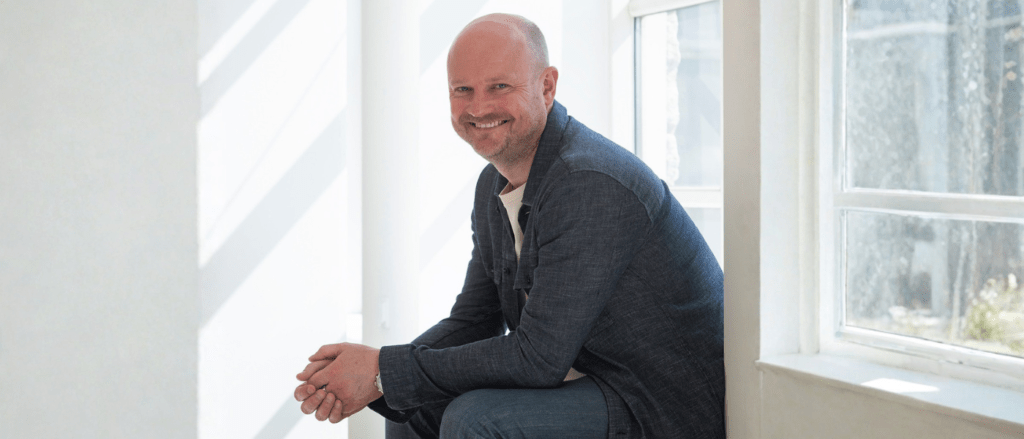
More important than the numbers, however, is the emotion that art offers, the intellectual stimulation and the associations that artworks create, and the people one encounters through engaging with art, writes Artrovert gallery founder Siim Raie.
Every day brings discussions and questions about art, about thinking about art, and about value. And of course I myself am also searching for explanations for everything I do. Alongside the over-semiotisation of art (à la “what-the-artist-meant-when-they-made-this”), the overemphasis on the financial value of art inevitably emerges as well. In itself, it is understandable that an emotional or pragmatically completely non-functional purchase is often economically rationalised.
Recently I came across a good summary from a colleague: over the past 25 years, the annual return of contemporary and post-war art has been 7–8%, while the return of Old Masters has been essentially zero. The Artprice100 (the hundred most traded artists in the world) has offered nearly a 9% annual return since 2000, which is higher than stock markets. The problem is that this average conceals a very large dispersion – the prices of most artists have not moved much at all, while the prices of the top 1% of artists account for the majority of the entire market value.*
When considering art as an investment, an artist’s individual career curve is more important than general price dynamics, and it is equally important to observe the preferences of market participants (contemporary vs. other periods; painting vs. other techniques) as well as geographical developments (the Asian market vs. the Western world). In other words, anyone who truly wants to profit from art as an asset class must be analytical and well informed across many parameters.
At the same time, it is obvious that exceptional collections emerge independently of external influences. More important than analysis are intuition and feelings. If a collection is merely the sum of market trends, its value—financially, culturally, and intellectually—will remain inferior to very individual and asymmetrical choices. Many collections tend to become similar in content, driven by supply. Most significant collections, however, were assembled before a broader understanding emerged of the exceptional nature of the artists and works included in them.
Advice is always wise to listen to and ask for, yet extraordinary collections have always been born from impulses that are harder to explain or analyse and whose purpose is not return on investment. I will continue the mission of bringing you an open list of artists and artworks, while deepening collaboration with certain authors.
So… art must be engaged with for the right reasons – a more meaningful life and environment, the possibility to observe oneself over time, self-creation, enjoyment, and indeed also aesthetics – sometimes a serious message reaches us precisely through beauty.
These four years have deepened the understanding that art is art as long as it is not something else. And after all, art is made by artists.
*Jean-Baptiste Quesnay, art advisor at Moon Above agency
Photo: Terje Ugandi for Diivan magazine